With spring now firmly established, April provides a more stable and productive window for pitch management. Environmental conditions are increasingly favourable, with rising soil temperatures and reduced fixture congestion allowing grounds teams to shift from reactive maintenance towards a more controlled, proactive approach. This transition is clearly reflected in the data, which shows improved consistency across key performance metrics. At the same time, several indicators highlight areas that require careful management to ensure surfaces continue to progress in line with performance expectations.
Average pitch hardness across all surfaces presents a notably consistent and well-balanced value of 83G.
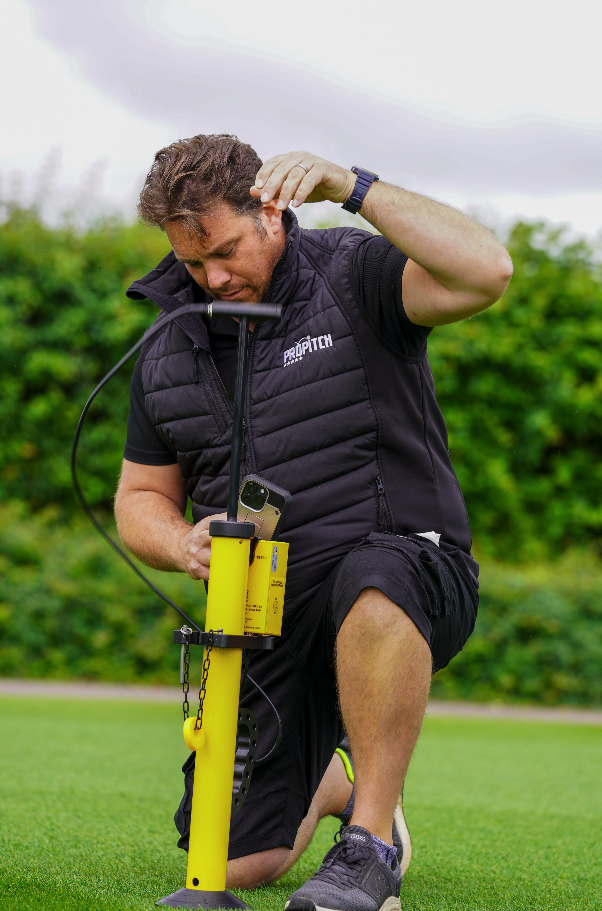
This aligns closely with optimal performance parameters and is further supported by shock absorption values, which average 48.9%. These two metrics working in tandem confirm that surfaces are currently providing an appropriate balance between firmness and player safety.
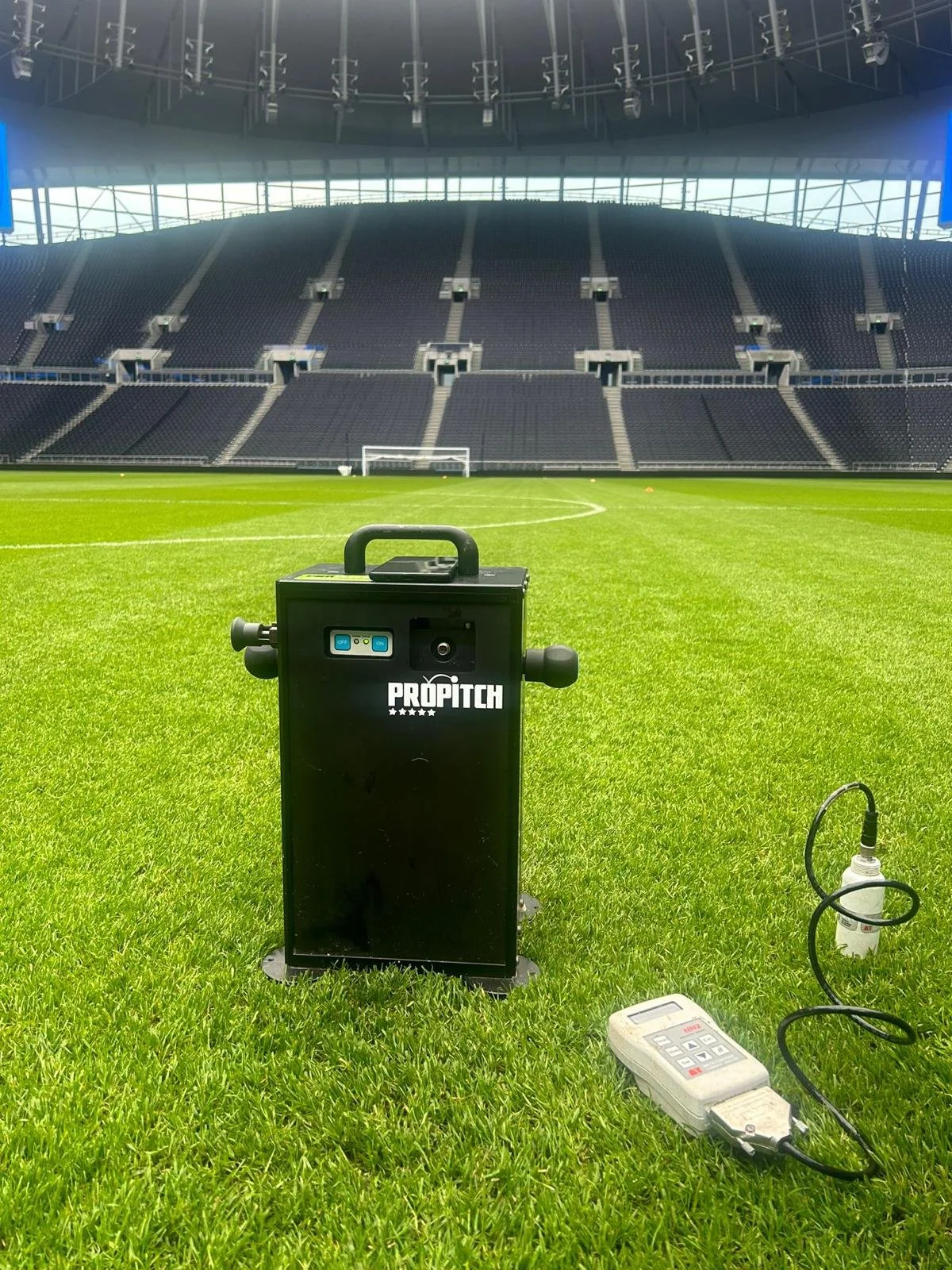
Hybrid systems continue to demonstrate a firmer profile, averaging 88G,
which reflects the influence of reinforced construction and improved structural stability. This level of firmness is not excessive at this stage of the season and instead indicates a well-managed surface capable of sustaining performance under load.
Traction values have increased slightly compared to previous months but remain marginally below the ideal operating range. The current average of 37Nm sits just beneath the target threshold of 40–50Nm. While this does not present an immediate concern, it does indicate that there is still scope to refine surface grip. This is likely linked to residual organic matter and surface composition, where even small amounts of contamination can reduce rotational resistance. Continued focus on surface cleanliness and grooming practices should support gradual improvement in this area.
Infiltration rates provide a strong indication of underlying pitch performance and drainage capability. The average value recorded in April is 225mm per hour, which represents a solid benchmark for this time of year. Any surface falling below this level would warrant further investigation, particularly given the expectation that drainage performance should be improving as soil profiles begin to dry out.
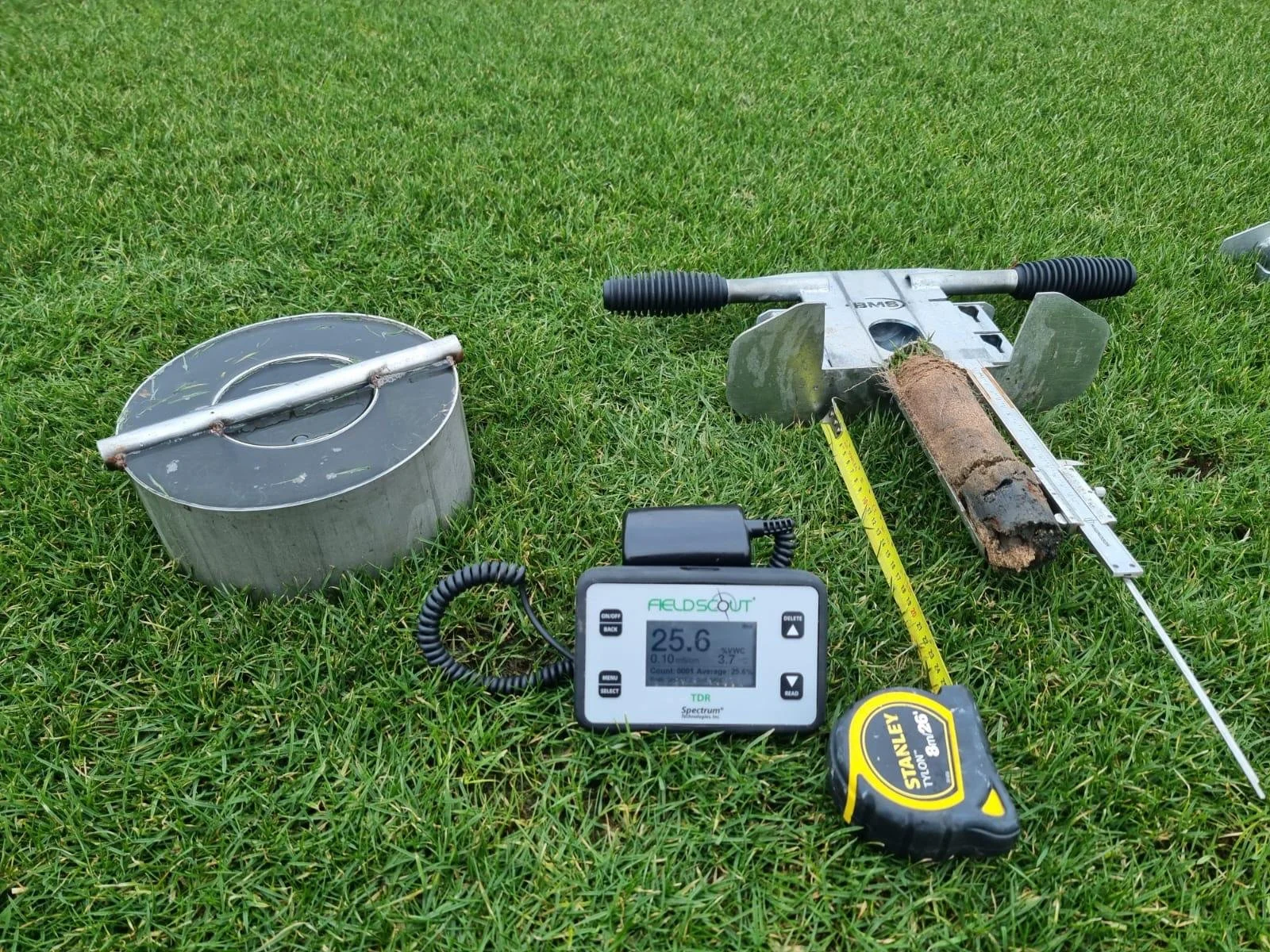
Hybrid systems again outperform natural soil constructions, with significantly higher average infiltration rates of 332mm per hour. This reinforces the value of engineered profiles in maintaining consistent drainage characteristics, particularly under variable weather conditions. These figures highlight a clear distinction in performance capability between construction types.
Moisture content remains an important variable influencing overall pitch behaviour. The average moisture percentage across all surfaces is currently 26%, which is relatively high for this stage of the season. Elevated moisture can suppress firmness and reduce traction if not managed effectively. Hybrid pitches show lower average moisture content at 23%, reflecting their enhanced ability to regulate and manage water within a controlled profile. Natural soil-based systems, by contrast, are more susceptible to retaining excess moisture, particularly where drainage capacity is limited. This reinforces the importance of targeted aeration to support moisture movement and improve profile stability.
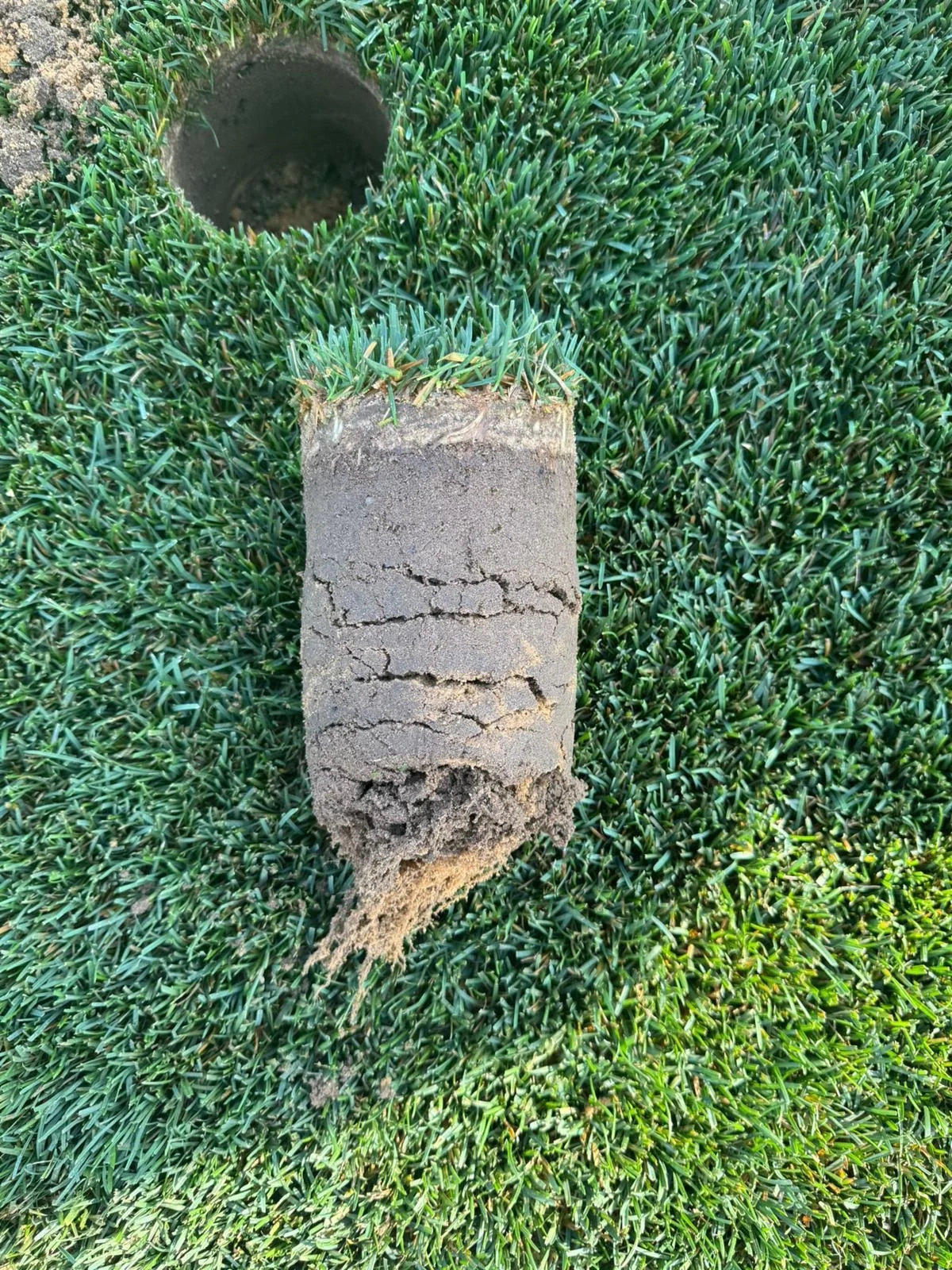
Root development continues to progress in line with increasing ground temperatures. Mass root depth now averages 86mm, indicating that plants are responding positively to improved growing conditions. At this stage of the season, deeper and stronger root systems are expected, providing the foundation for enhanced surface resilience, wear tolerance, and moisture regulation. Continued encouragement of root development through appropriate cultural practices remains essential, as this directly underpins long-term pitch performance.
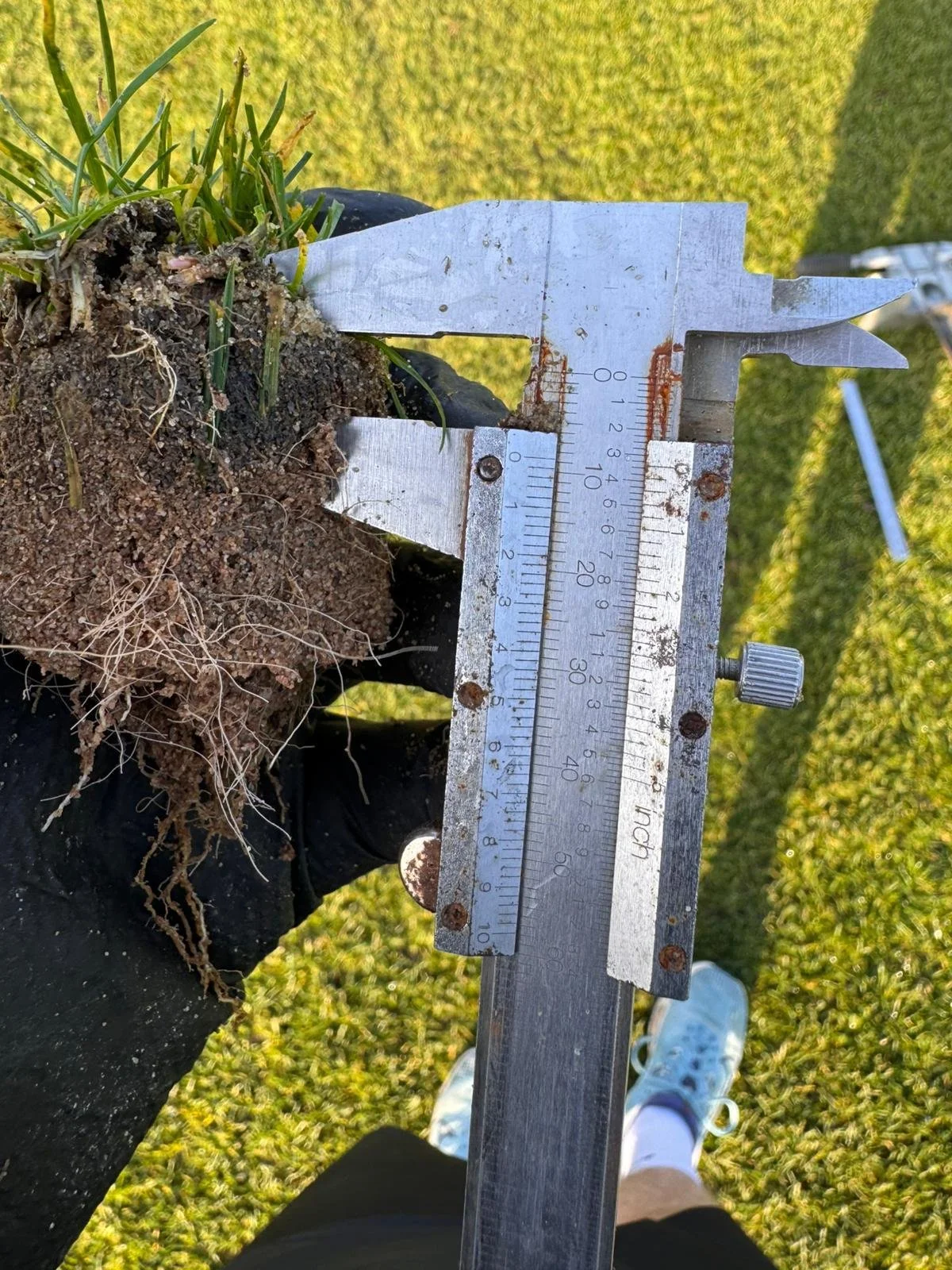
Thatch and organic matter depths remain an area requiring close attention. The current average of 6mm exceeds the recommended threshold of 0-5mm, indicating that many surfaces still carry an excess of organic material within the upper profile. This has implications for both playability and maintenance, as elevated thatch depth can restrict water movement, reduce surface firmness, and negatively impact traction.
Hybrid systems again demonstrate improved control, with lower average levels of 4.4mm, remaining within acceptable limits. This is likely due to the ability to apply more aggressive maintenance practices, such as verti-cutting and surface grooming, without compromising surface stability. Reducing organic matter at this stage is critical, particularly with the knowledge that accumulation typically increases through May.
Vertical deformation values remain within acceptable tolerances, averaging 4.8mm. This indicates that pitches are maintaining adequate structural integrity under load, with no immediate signs of instability. Any increase beyond this range at this point in the season would be a concern, typically signalling excessive moisture, insufficient root structure, or underlying profile issues. Current values suggest that, in general, surfaces are functioning as expected from a mechanical perspective.
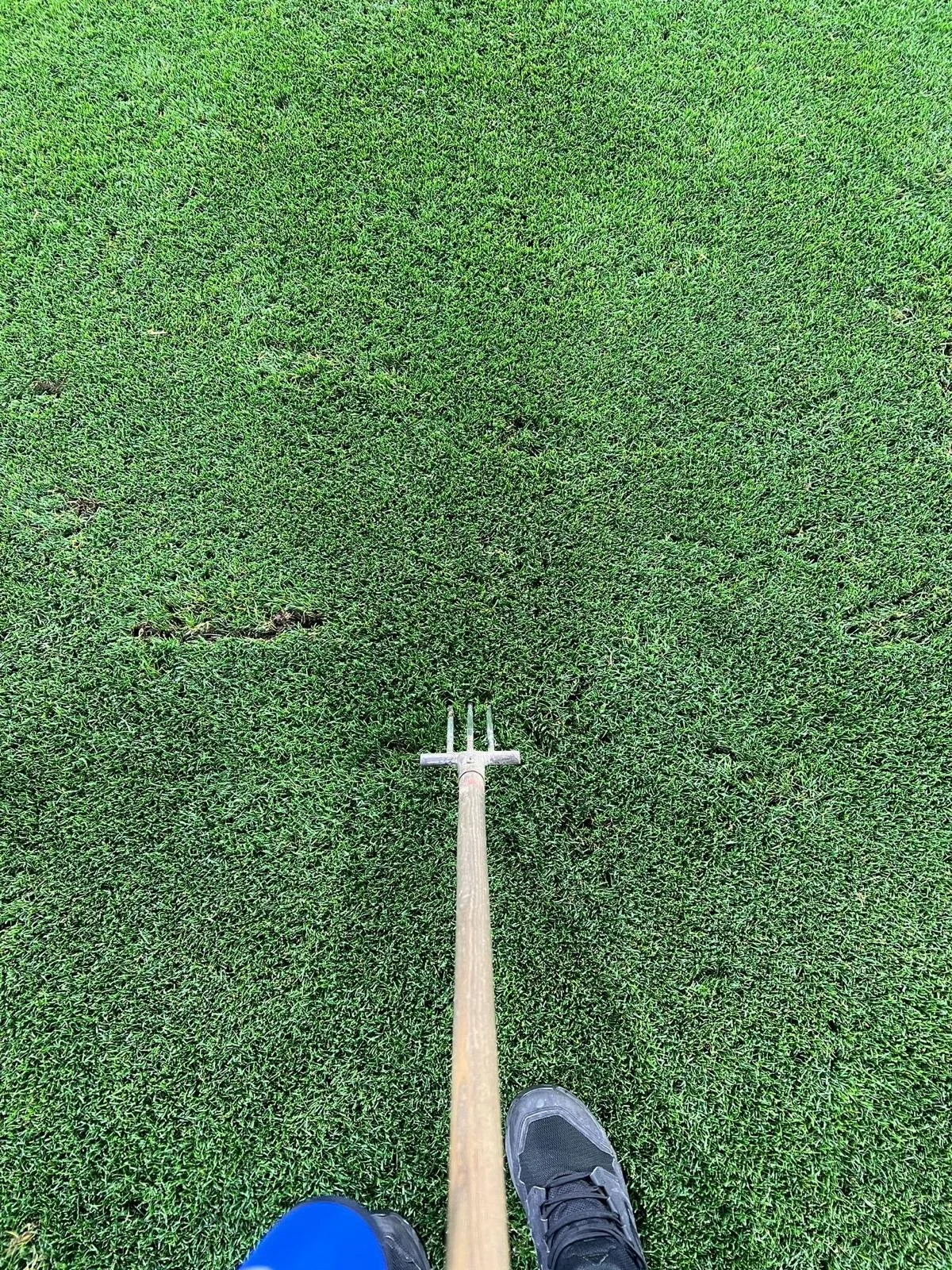
Total ground cover provides one of the clearest visual and performance-based distinctions between pitch types. Hybrid systems are currently achieving an average of 94% total ground cover, compared to 85% in natural soil-based pitches. This represents a significant difference in both aesthetic quality and functional performance. Greater values of ground cover contribute directly to improved traction, ball roll consistency, and overall surface durability. The disparity highlights the limitations of natural constructions in maintaining consistent density under seasonal pressures, particularly when compared to reinforced systems.
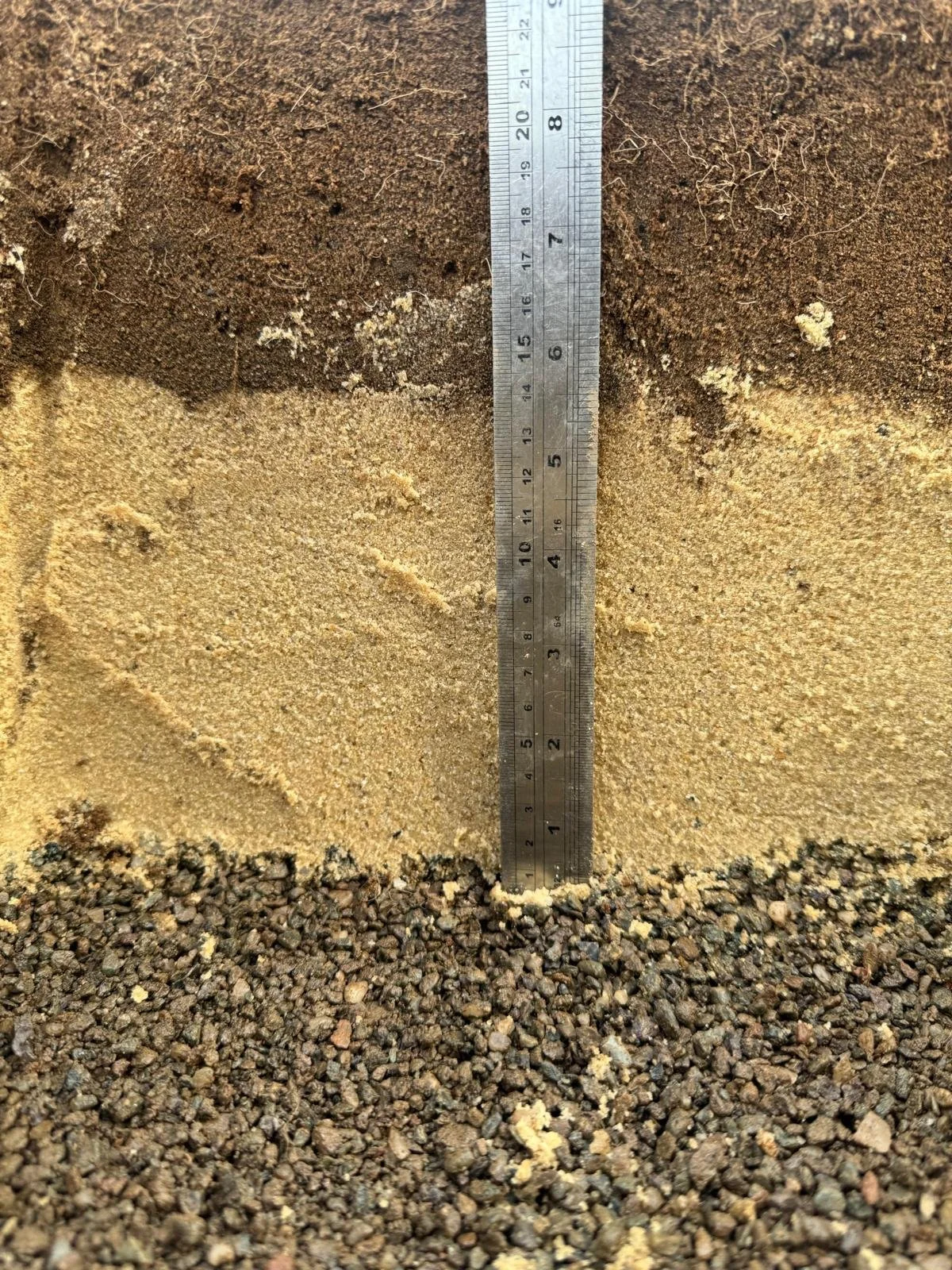
Overall, April data reflects a period of stability and controlled improvement. Key performance indicators such as hardness, shock absorption, and deformation are aligned within optimal ranges, providing a solid platform for playability. However, the data also reinforces the importance of attention to detail. Traction remains slightly below optimum range, moisture values are elevated, and organic matter exceeds ideal thresholds across many surfaces. These are not critical issues, but they do require proactive management to prevent performance from plateauing or declining.
From a strategic perspective, this is a pivotal stage in the seasonal cycle. The opportunity now is to refine surface condition ahead of increased growth and usage in the coming months. Reducing organic matter, managing moisture effectively, and continuing to promote root development will have a direct impact on how surfaces perform through late spring and into renovation periods.
So where does that leave us as we move through April?
April should be viewed as a month of optimisation. The foundations are in place, environmental conditions are supportive, and there is sufficient time to influence outcomes before end-of-season pressures emerge. The focus should remain on precision and consistency, ensuring that each intervention contributes to a cleaner, firmer, and more resilient playing surface.

Written by Dean Tingley
Business Development Manager