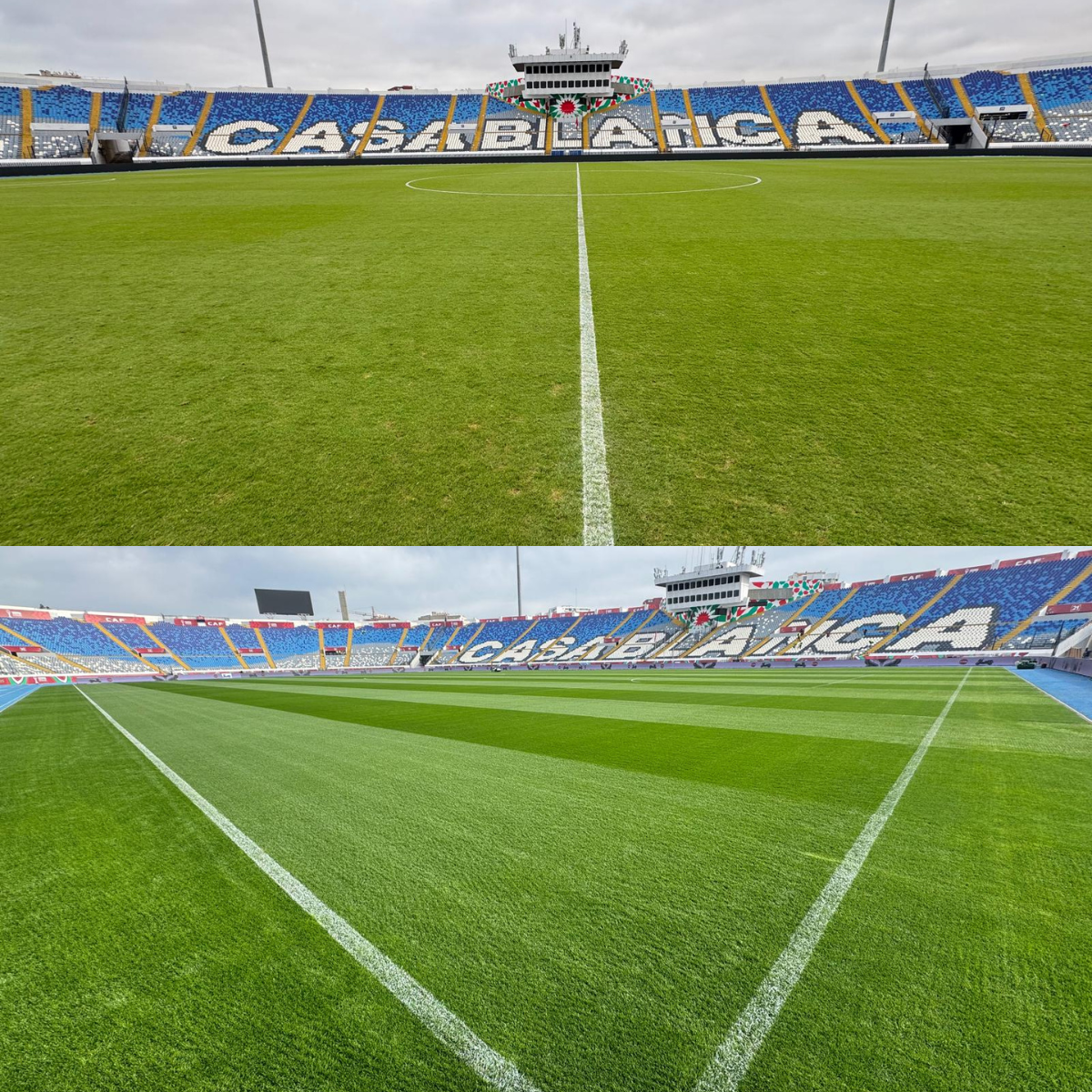
Behind the Scenes: Training Pitch Transformations for AFCON 2025
Ahead of the AFCON 2025 in Morocco, ProPitch were responsible for overseeing the pitch quality of 45 pitches, including 36 training pitches alongside the 9 stadium match venues.
As always, the stadium pitches take all of the spotlight, however few see the hardwork and improvements of the training pitches which act as a home for the national teams during their stay in country.
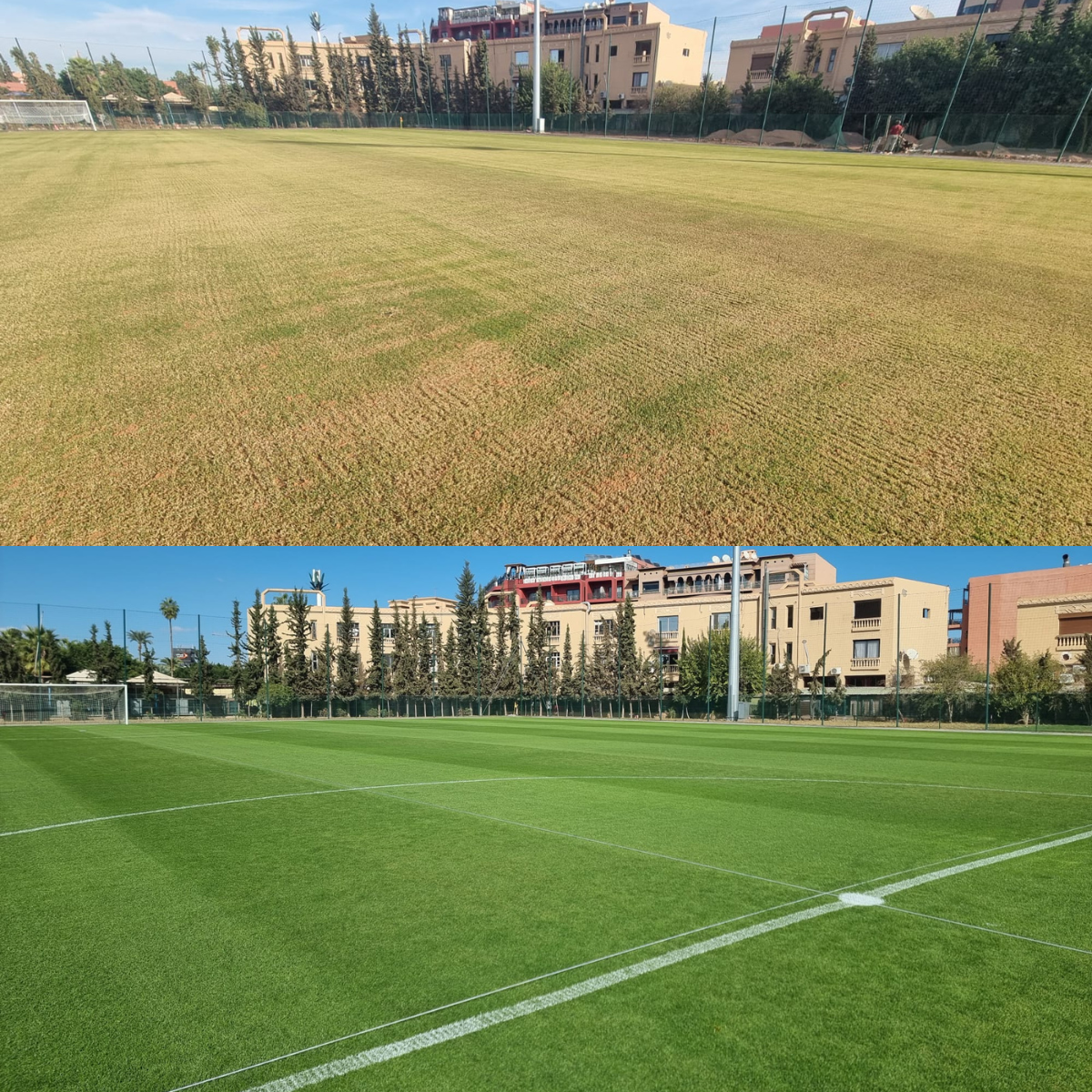
The winter tournament in Morocco presented unique challenges as pitches transitioned from warm-season to cool-season grass only a matter of weeks before teams arrived ahead of the competition.
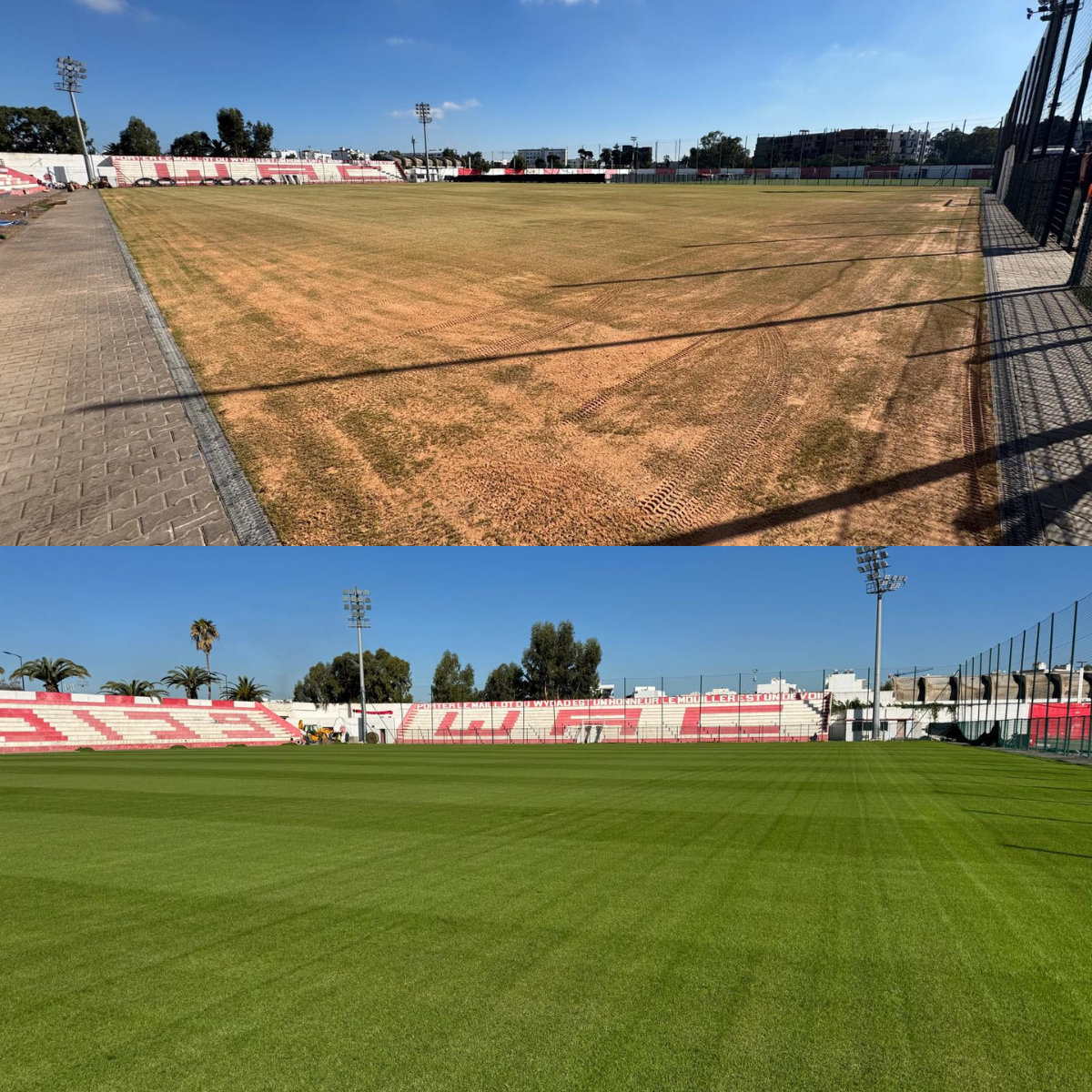
Training pitches don't always boast the same infrastructure and technology as the modern stadia, therefore additional challenges can be presented when renovating and growing-in surfaces as temperatures begin to drop and more harsh weather descends.
Training venues ranged from more recently constructed surfaces, to older in-situ surfaces which have been in place for many years, presenting different challenges across the country, from North to South.
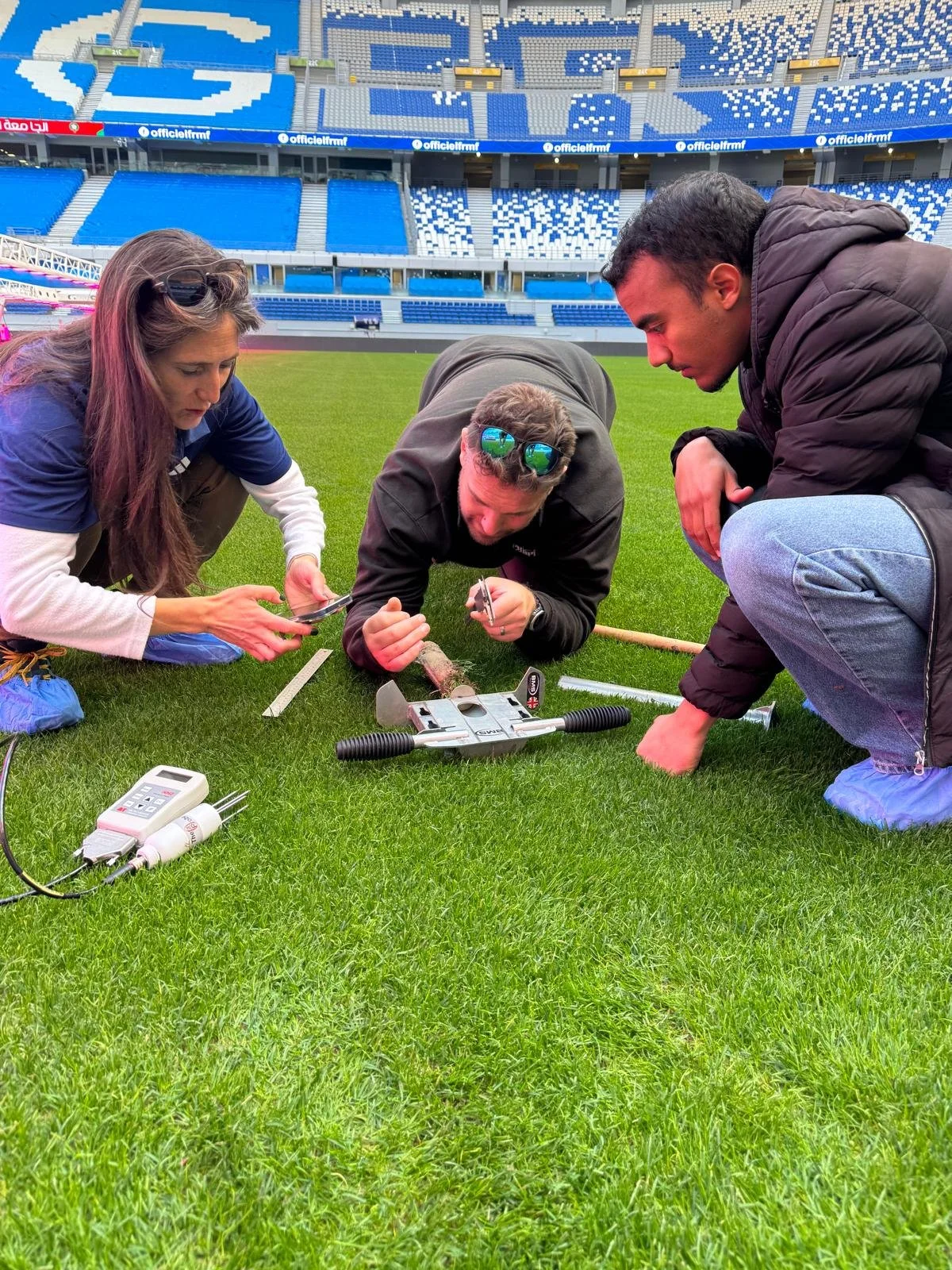
The ProPitch team conducted several site visits to all venues, assessing Pitch quality, providing recommendations for improvement and monitoring progress of pitch quality.
All teams were presented with a high performing training surface ahead of the tournament, providing consistency of surface for all nations, all of which could only be achieved through the dedication and commitment of the grounds teams and grounds contractors maintaining the surfaces each day throughout the competition.
In the build‑up to AFCON 2025 in Morocco, ProPitch played a pivotal role in delivering world‑class playing surfaces across the entire tournament. Our remit extended far beyond the nine showpiece stadiums seen on television—we were responsible for ensuring the quality of 45 pitches in total, including 36 training pitches that quietly serve as the backbone of every major international competition.
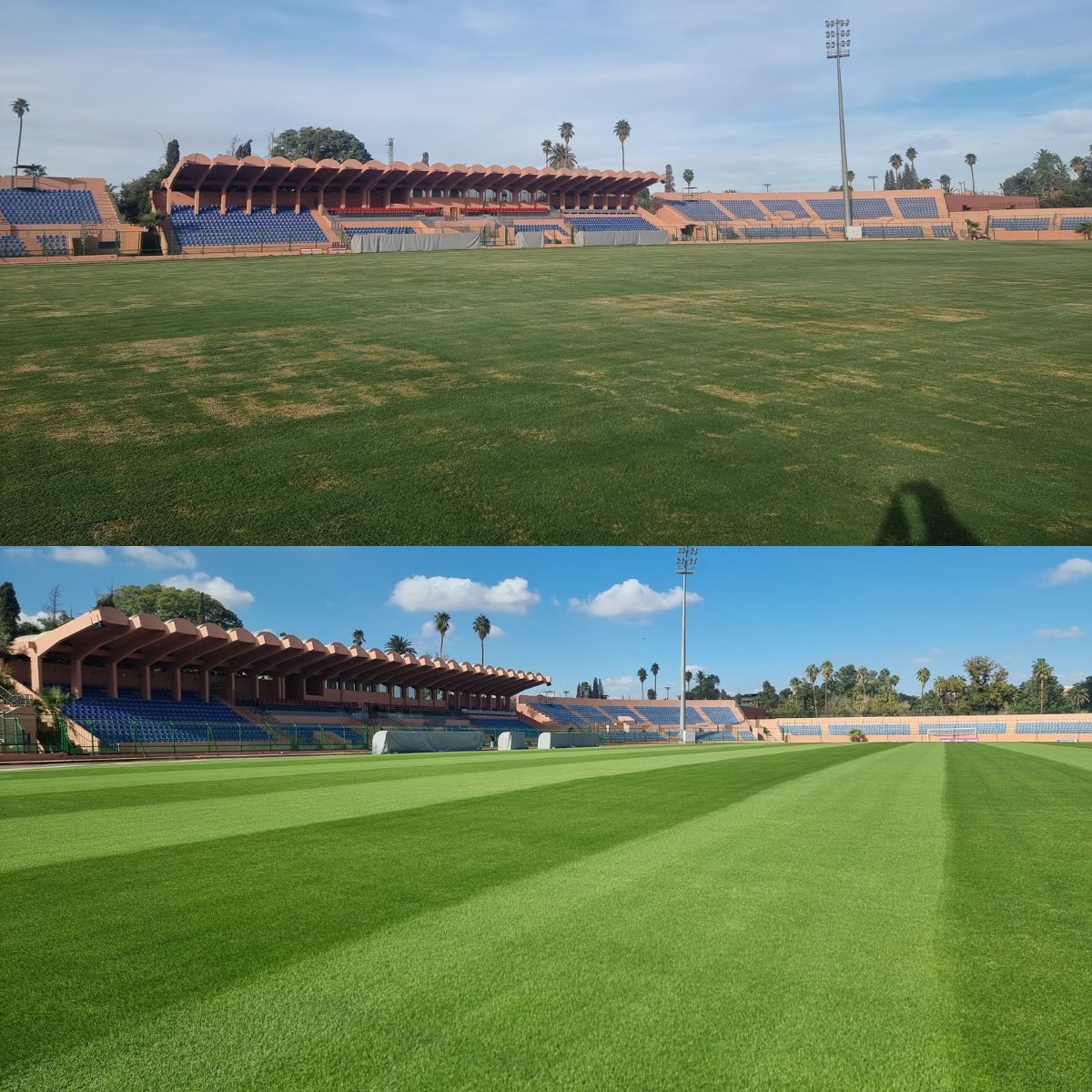
While stadium pitches naturally steal the limelight, few appreciate the immense effort invested in the training venues. These often‑overlooked surfaces become the temporary homes of national teams throughout their stay, providing the daily foundation for tactical preparation, rehabilitation, and the fine‑tuning of match‑day performance.
The timing of the tournament brought its own unique challenges. Hosted during the Moroccan winter, grounds teams were required to manage a delicate transition from warm‑season to cool‑season grasses—all within just a few weeks of teams arriving. This involved carefully balancing growth, stability, and visual presentation at a time when temperatures were falling and weather patterns became increasingly unpredictable.
Training pitches, unlike modern stadia, do not always benefit from advanced infrastructure such as undersoil heating, state‑of‑the‑art irrigation systems, or reinforced hybrid technologies. As a result, renovating and establishing high‑quality surfaces during the onset of harsher winter conditions demanded both technical expertise and meticulous planning.
Across the country—from the cooler coastal regions of the north to the warmer, more arid environments further south—training facilities varied dramatically. Some were recently constructed, boasting modern profiles and drainage; others were older, long‑established natural pitches with their own inherited characteristics. Each venue presented a distinct set of agronomic challenges, requiring tailored strategies to optimise performance.
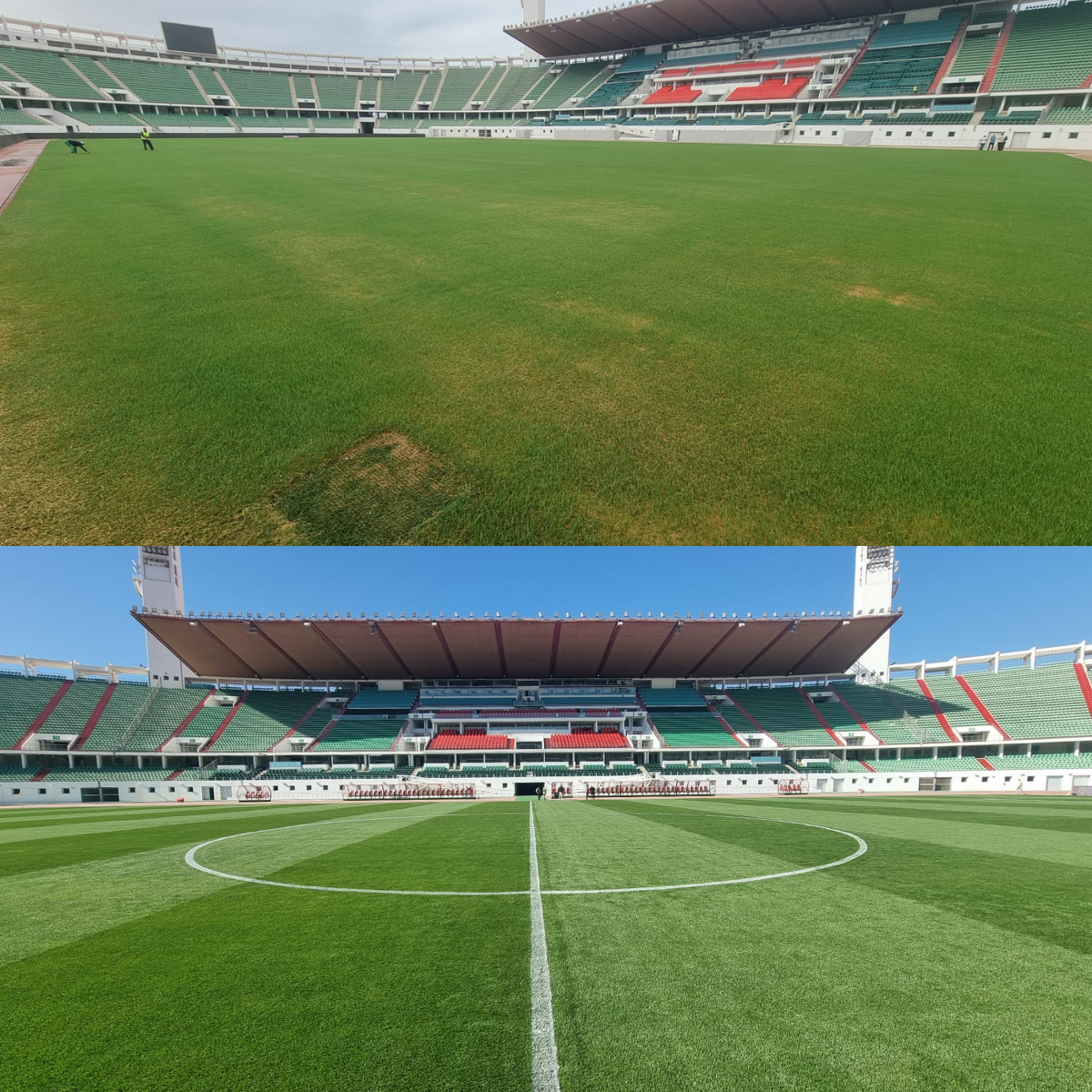
The ProPitch team undertook multiple site visits to every location, carrying out detailed pitch assessments, delivering clear and practical recommendations, and monitoring progress throughout the preparation period. Our focus remained on consistency, safety, and achieving the highest possible playing standards across all venues.
Thanks to the dedication and daily commitment of the local grounds teams and contracted maintenance staff, every nation received a high‑performing, reliable training surface ahead of the tournament. Their collective efforts ensured that all teams were provided with a consistent environment in which to train, recover, and prepare—laying the foundations for an exceptional AFCON 2025.